Over the next 12–24 months, the introduction of Carbon Border Adjustment Mechanisms (CBAM) across the EU and UK will fundamentally change how emissions are accounted for in international trade. For many UK organisations, particularly those involved in manufacturing, construction and supply chains, this represents a shift that is both regulatory and financial.
The Carbon Border Adjustment Mechanism is a policy tool designed to ensure that imported goods face a similar carbon cost to those produced domestically. The aim is to prevent “carbon leakage”, where production moves to countries with lower environmental standards to avoid carbon pricing, undermining climate policy and distorting competition. In simple terms: If carbon has a cost domestically, it must also have a cost in international trade.
Two parallel mechanisms are being introduced:
• EU CBAM(2026) – impacts UK businesses exporting into the EU
• UK CBAM(2027) – applies a carbon cost to certain goods imported into the UK
The EU system is already in a transitional phase and will move to full financial implementation in 2026, requiring importers to purchase carbon certificates based on embedded emissions. The UK system follows shortly after and will apply a carbon price aligned to the UK Emissions Trading Scheme (UK ETS).
CBAM applies primarily to carbon-intensive sectors, including:
• Iron and steel
• Aluminium
• Cement
• Fertilisers
• Hydrogen
However, the impact is much broader than these sectors alone. You are likely to be affected if your organisation:
• Imports materials or goods into the UK
• Exports products into the EU
• Relies on international or complex supply chains
Many businesses underestimate their exposure because CBAM is determined at product and commodity code level, not just sector level.
For UK importers (UK CBAM), from 2027 businesses importing in-scope goods will:
• Be required to calculate embedded emissions
• Submit reports to HMRC
• Pay a carbon cost linked to those emissions
This is a direct financial and compliance obligation. For UK exporters (EU CBAM), while UK exporters are not directly liable under EU CBAM:
• Their EU customers are responsible
• Those customers must report emissions and purchase CBAM certificates
• As a result, UK suppliers will be required to provide accurate emissions data
Even where volumes are low, data requests are still expected, as EU importers must report total volumes across suppliers. In reality, this becomes a commercial requirement, not just a regulatory one.
CBAM is not just another reporting framework. It represents a fundamental shift:
• Carbon is now linked to cost
• Carbon is influencing procurement decisions
• Carbon is becoming part of competitive advantage
Poor or missing data will lead to:
• Higher default emissions values
• Increased carbon costs
• Reduced competitiveness
Strong data enables:
• Lower exposure
• Better supplier positioning
• More informed decision-making
This is effectively Scope 3 emissions becoming financially relevant.
The biggest challenge: Data, not regulation. While CBAM is a regulatory mechanism, the real challenge lies in:
• Accessing reliable supplier emissions data
• Understanding product-level (embodied) carbon
• Integrating carbon into procurement and finance processes
Many organisations currently:
• Do not collect supplier emissions data
• Rely on estimates or spend-based models
• Lack visibility across their supply chain
CBAM exposes these gaps.
Organisations do not need to solve everything immediately, but early preparation is key. Practical first steps include:
1. Identify exposure
o Imports into the UK
o Exports into the EU
2. Understand your supply chain emissions
o Focus on Scope 3
o Identify high-impact categories
3. Engage suppliers
o Request emissions data
o Improve transparency
4. Assess financial risk
o Estimate potential carbon cost exposure
o Consider pricing and procurement impacts
5. Build a proportionate plan
o Focus on what is material
o Align with existing reporting (e.g. SECR, CRPs)
CBAM is part of a broader shift in how sustainability is integrated into business. It connects:
• Carbon accounting
• Supply chain management
• Financial performance
It also signals what is coming next:
• Greater scrutiny on Scope 3 emissions
• Expansion into downstream products
• Increased linkage between carbon and procurement
While CBAM introduces complexity, it also creates opportunity. Businesses that act early can:
• Strengthen supplier relationships
• Improve data quality and credibility
• Reduce exposure to future carbon costs
• Position themselves more competitively in tenders and supply chains
CBAM does not change who is responsible for emissions, it changes how visible and financially relevant those emissions become. For many organisations, this will be the moment where carbon moves from sustainability reporting into core business decision-making.
Carbon Sense is a UK-based environmental consultancy specialising in carbon measurement, reporting and practical decarbonisation strategies.
We support organisations to move from uncertainty to clarity by turning carbon data into something usable, defensible and commercially relevant, helping you understand exposure, improve data quality and prepare for emerging requirements such as CBAM.
Do you know the carbon impact of your supply chain and how it could affect your business? If not, that’s where to begin.
Start with a free CBAM rediness check. Follow the link and answer the questions. Its takes 2-3 minutes.
Over the next 12–24 months, the introduction of Carbon Border Adjustment Mechanisms (CBAM) across the EU and UK will fundamentally change how emissions are accounted for in international trade.

Many organisations assume that engaging a new supplier will automatically increase their emissions. In practice, the opposite can be true.
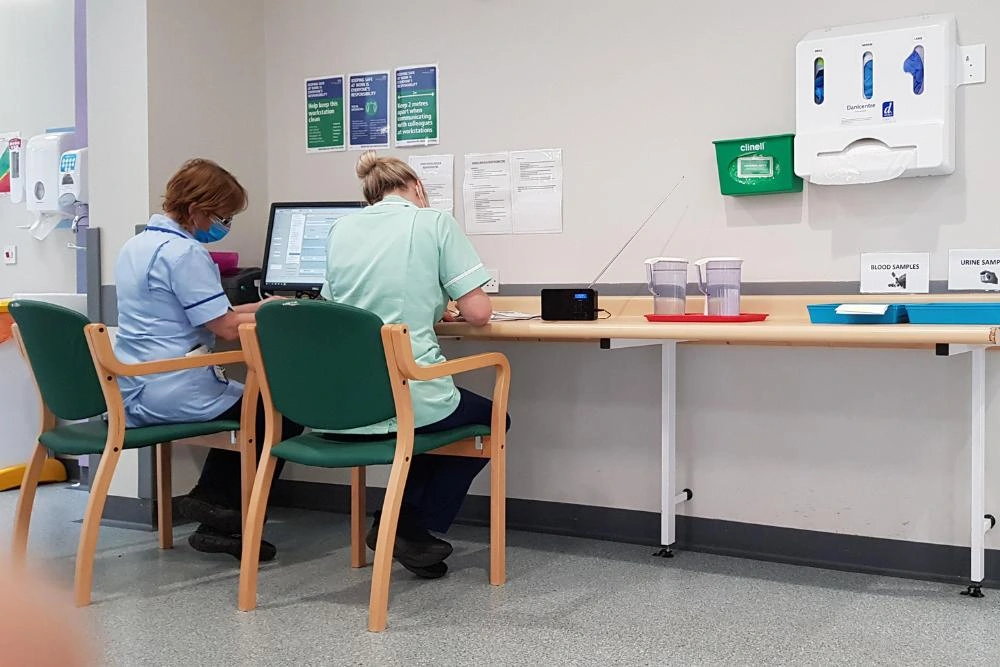
Many organisations supplying the NHS are discovering that robust carbon reporting is becoming a core requirement for future contracts. The key is to start early - measure emissions properly, build a credible reduction plan, and ensure reporting is clear and transparent.

A climate action plan is typically more comprehensive and strategic. It goes beyond compliance to include long-term decarbonisation pathways, stakeholder accountability, and integration into corporate governance.

The Carbon Sense team had the pleasure of attending the Cornwall and Isles of Scilly Sustainability Awards, and were honoured to sponsor two categories in 2025, Low Carbon Leader and Most Sustainable Organisation, and to present the trophies to three outstanding winners.

Nature-based solutions are increasingly being used by organisations to address carbon emissions. When applied carefully, they can play a meaningful role in a credible, reduction-led Net Zero strategy, particularly where unavoidable and residual emissions remain.
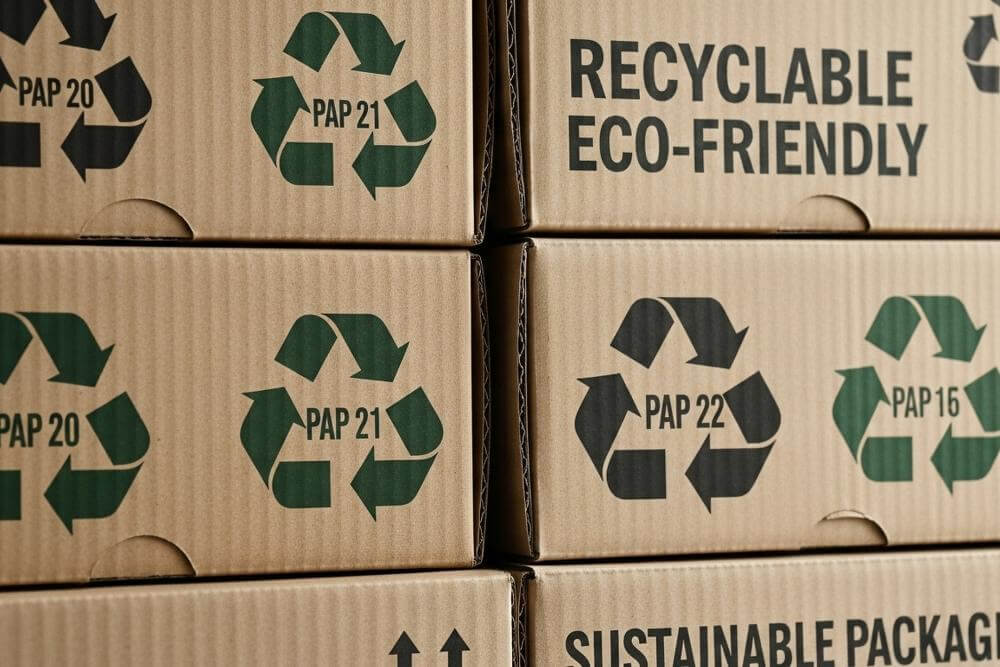
Developing an EPD can ensure you meet tender requirements, as well as providing an opportunity to understand and reduce the true environmental impact of your products.

Understanding the Transition from SECR to UK SRS. The UK government is replacing the current Streamlined Energy and Carbon Reporting (SECR) framework with the more comprehensive UK Sustainability Reporting Standards (UK SRS).

As part of its Net Zero Supplier Roadmap, the NHS has announced that by April 2027, all suppliers, including those providing food, medical products, and services, will be required to submit a comprehensive Carbon Reduction Plan (CRP).

Carbon Sense is your expert partner in carbon reduction. We support UK organisations to understand, measure, and reduce their carbon footprint, save energy, and make sense of sustainability. With a practical, no-nonsense approach, we help you achieve Net Zero goals while protecting your bottom line.

"We are excited to support the awards this year and are honoured to sponsor the Carbon Positive category. At this crucial time, carbon mitigation and an embedded strategy to achieve Net Zero are vital to avoid further climate change catastrophes".

In a world increasingly focused on sustainability, Carbon Literacy has emerged as an essential tool for businesses seeking to reduce their environmental impact. Carbon Sense understands the value and benefits of Carbon Literacy Training whether for a team within your business, or for your entire organisation.

A carbon reduction or decarbonisation plan is a set of strategies and actions that an organisation, community, or government implements to reduce its carbon footprint and mitigate the effects of climate change.

Carbon credits, and their differences, is a frequent topic of discussion. When developing a sustainability strategy or communicating about sustainability, its essential for businesses to understand these differences

Pathway to Net Zero, launched in November 2023 is a fully funded support programme helping businesses adopt more environmentally conscious processes and move towards becoming Net Zero.

The future still remains uncertain so considering options to reduce energy consumption to rely less on the grid is becoming more and more necessary.

Climate change has become a key issue for us all. With scientific reports being released every day, we now know more about the changes that are happening to the Earth’s systems.

The impact of the industrial revolution has created a climate where pretty much all our activities have an impact on the environment.

By reducing your organisation’s carbon footprint you can reduce your impact on the environment and resources.

There is a wealth of research being undertaken by the leading academics studying climate change and assessing how we can build climate resilience and reduce risk.

It is important to get good advice to ensure that you avoid the common pitfalls and have a plan that works for you and achieves genuine environmental benefits.